Treatment and Prevention of Patellar Tracking Disorders

Managing patellar tracking issues requires a combination of treatment and prevention strategies. Treatment Options Prevention Strategies Lifestyle Adjustments Small changes—like improving posture or modifying workouts—can make a big difference in knee health. Long-Term Outlook With proper care, most people recover well and return to normal activities without pain. Key Takeaway Consistency in care and prevention […]
Exercises to Improve Patellar Tracking
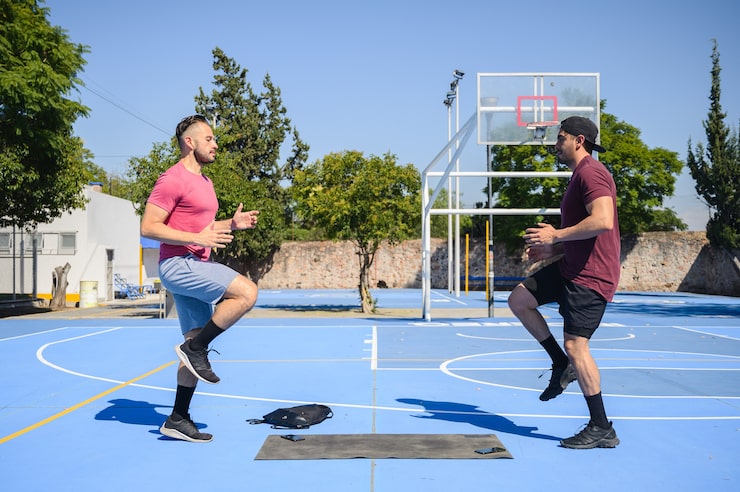
Improving patellar tracking often involves strengthening and balancing the muscles around the knee and hip. 1. Quadriceps Strengthening Straight leg raises and wall sits help stabilize the kneecap. 2. Hip Strengthening Weak hips can cause poor knee alignment. Try: 3. Stretching Tight Muscles Focus on: 4. Controlled Movements Practice slow, controlled squats and step-down exercises […]
Signs You Might Have a Patellar Tracking Problem
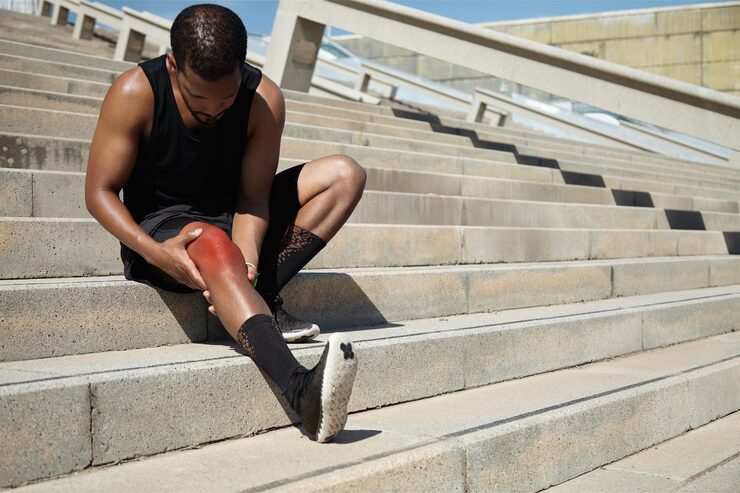
Patellar tracking issues don’t always appear suddenly—they often develop gradually. Recognizing early symptoms can help prevent more serious complications. Common Symptoms When to Be Concerned If pain persists for weeks or interferes with daily activities, it’s worth getting evaluated. Ignoring symptoms can worsen the condition. Who Is at Risk? Key Takeaway Early detection is key. […]
What Is Patellar Tracking and Why Does It Matter?
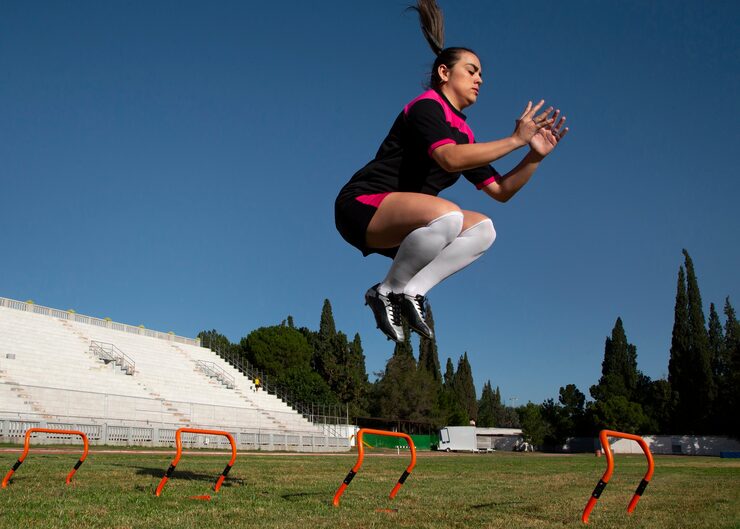
Patellar tracking refers to how your kneecap (patella) moves along the groove at the end of your thigh bone (femur) when you bend or straighten your knee. Ideally, the patella glides smoothly within this groove, allowing pain-free motion during activities like walking, running, or climbing stairs. However, when this movement becomes uneven or misaligned, it’s […]